Blog

Blog

Social Media Marketing: A Comprehensive Guide to Increasing Your Online Visibility

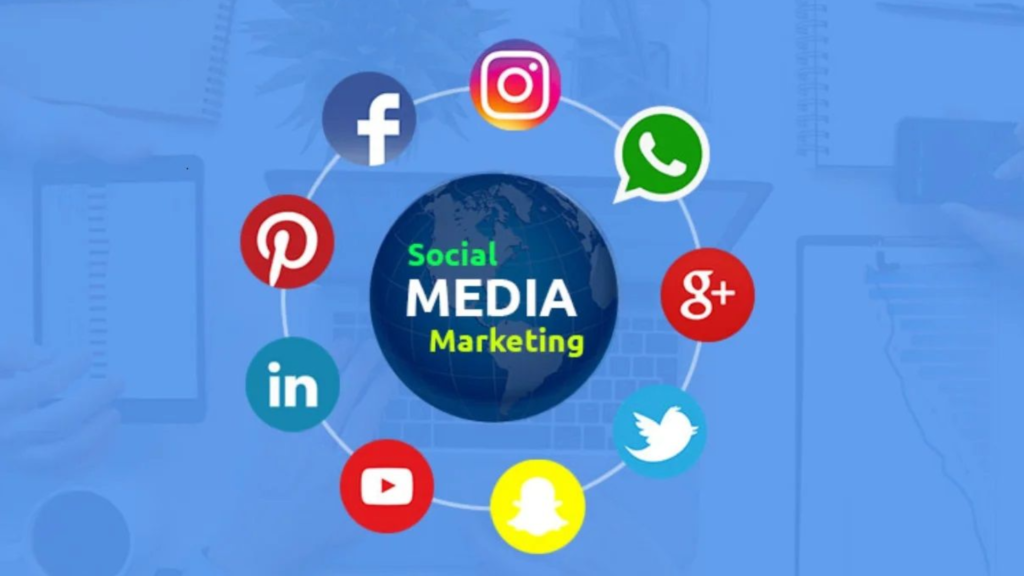
Social media marketing is now one of the most effective ways for companies to engage with their customers, raise brand awareness, and boost sales in today’s digital environment. Social media, which has billions of users on sites like Facebook, Instagram, LinkedIn, Twitter (X), and YouTube, provides unparalleled chances to directly connect with potential clients. An efficient social media marketing approach can greatly increase your internet presence, regardless of the size of your organisation. Social Media Marketing: What Is It? The practice of using social media platforms to advertise goods, services, or brands is known as social media marketing. In order to engage people and motivate them to take action, it entails producing and disseminating material, including postings, pictures, videos, stories, and ads. Building relationships with your audience while increasing traffic, leads, and conversions is the primary objective of social media marketing. Social media enables two-way communication, in contrast to traditional marketing. By interacting with consumers through likes, shares, comments, and messages, brands can make marketing more engaging and personal. Importance of Social Media Marketing A key component of contemporary digital marketing tactics is social media marketing. Brand visibility is one of its main benefits. People are more likely to recognise and trust your brand when it is engaged on social media. Cost-effectiveness is another significant advantage. Compared to traditional media like TV or print commercials, social media profile creation is free, and even paid advertising is less expensive. In order to get better outcomes, social media also enables businesses to access targeted audiences based on factors like age, location, hobbies, and behaviour. Social media marketing also increases website visitors. Businesses may increase engagement and possible purchases by directing visitors to their websites through the sharing of valuable content and links. Key Social Media Marketing Platforms Distinct platforms have distinct functions, and your company’s objectives will determine which ones are best. Facebook is perfect for sharing a variety of content types, creating communities, and running advertisements. Instagram is ideal for lifestyle and product-based brands because it emphasises visual material like as photos, clips, and stories. LinkedIn is the greatest platform for thought leadership, professional networking, and B2B marketing. YouTube is great for video marketing and lessons, but Twitter (X) is good for real-time updates, news, and brand conversations. Strategies for Successful Social Media Marketing Businesses need a well-defined strategy to be successful in social media marketing. High-quality, consistent material is crucial. Regular posting helps you stay visible and keeps your audience interested. Your content should be interesting, educational, and pertinent to your intended audience. Another important component is engagement. Responding to reviews, mails, and comments fosters relationships with followers and increases trust. Reach and engagement can also be increased by utilising trends, hashtags, and partnerships. Social Media Marketing’s Advantages for Companies Social media marketing aids companies in generating leads, boosting client engagement, and fostering brand loyalty. It offers useful consumer insights, enabling firms to comprehend audience preferences and enhance their products. A strong social media presence can eventually build trust and authority in the field. In conclusion Social media marketing is now a must for companies looking to expand online. Social media may assist businesses in effectively achieving their objectives with the appropriate platforms, tactics, and persistent work. Businesses may use social media as a potent tool for long-term success by emphasising audience engagement, valuable content, and data-driven decision-making.
Blog

What is SEO ?

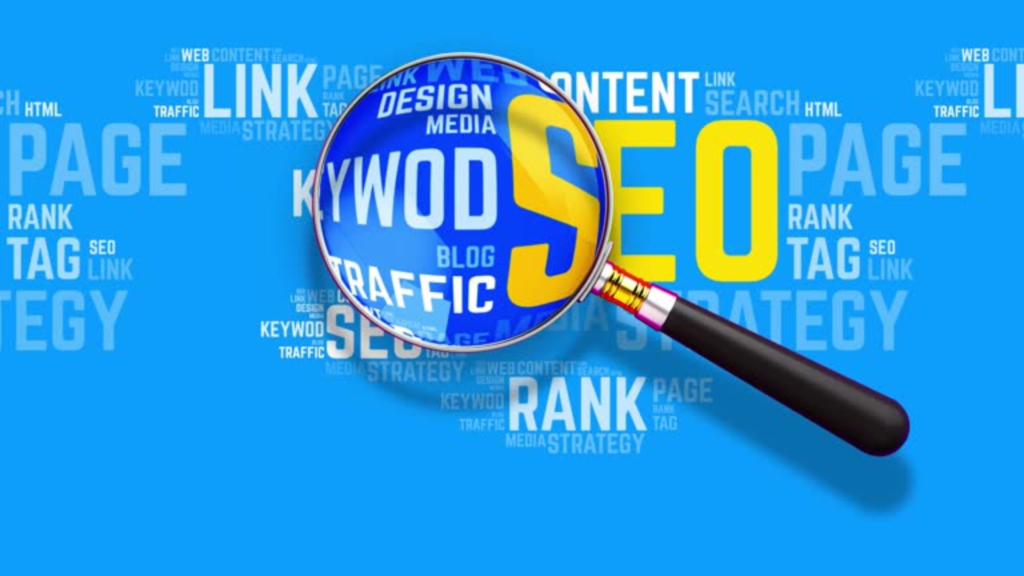
SEO is the solution if you’ve ever puzzled how certain websites appear at the top of Google while others appear to be invisible. The process of making a website better so it appears higher in search engine results pages (SERPs) is known as search engine optimisation, or SEO. However, improving the online search experience for users is more important to SEO than merely appeasing algorithms. We’ll go over what SEO is, why it matters, and how it functions in the real world in this blog-style explanation. A Basic Understanding of SEO Think of the internet as an enormous library. The librarians are search engines like Google, which assist you in finding precisely what you’re seeking for. Organising, labelling, and presenting your website so that the “librarian” can easily comprehend it and suggest it to others is known as SEO. Search engines look through billions of pages when someone types in a query like “best running shoes,” selecting the most pertinent, reliable, and useful results. The pages at the top are those that satisfy these requirements. Optimising your website to satisfy those requirements is known as SEO. The Significance of SEO Because visibility equals opportunities, SEO is important. More people will visit your website if it ranks higher. Increased sales, leads, sign-ups, or brand exposure may result from this. According to studies, the majority of users never go past Google’s first page, and most clicks go to the top three results. Even the greatest website may be essentially invisible without SEO. Additionally, SEO generates organic traffic, meaning that individuals discover your website organically rather than through sponsored advertisements. Users tend to view organic traffic as more reliable, long-lasting, and free. The Operation of Search Engines You must have a fundamental understanding of how search engines work in order to comprehend SEO. They take three primary actions: Crawling: To find fresh and updated content on the internet, search engines use bots, often known as spiders. Indexing: The pages that are found are examined and kept in a sizable database. Ranking: When a user conducts a search, the search engine assesses each indexed page and assigns a ranking based on quality and relevancy. Effective crawling, indexing, and ranking of your website are all made possible by SEO. Key Components of SEO SEO can be divided into three main categories: on-page SEO, off-page SEO, and technical SEO. Each plays a crucial role in improving your website’s visibility. Off-page SEO involves actions taken outside of your website, such as: Backlinks are links to your website from other websites. They function as “votes of confidence.” Social shares: They assist you reach a wider audience even though they are not direct ranking considerations. Brand mentions: Authority can be indicated even by unlinked mentions. Writing content for other respectable websites in order to get visibility and links is known as guest blogging. Consider off-page SEO as a means of enhancing the reputation of your website. Your website can rank better if it is more trustworthy. The ability of search engines to crawl and index your website is the main focus of technical SEO. It consists of: Website speed: Websites that are quicker rank higher. Mobile-friendliness: Since most consumers use their phones to browse, responsive design is crucial. Secure connections (HTTPS): Google and users are concerned about security. Code that improves search engine comprehension of your material is known as structured data. XML sitemaps are files that direct search engines to your website. The Main Objective of SEO: User Experience One of the most common misconceptions is that SEO is just about using keywords or algorithm-beating techniques. In actuality, search engines strive to offer the greatest user experience. Therefore, when you optimise your website for search engines, you are actually optimising it for users. Your website will function better if it offers a better user experience, such as quick loading times, useful content, and simple navigation. Concluding Remarks SEO is a continuous effort rather than a one-time event. It entails knowing how people search, producing useful information, and making sure your website is reliable, quick, and accessible. SEO becomes one of the most effective strategies for expanding your internet visibility when done properly.Investing in SEO can help your audience find and trust you more quickly, regardless of whether you run a local business, an online store, or a blog. It’s the equivalent of giving your best effort each time someone looks for what you have to offer in the digital sphere.

Blog

What is Digital Marketing?

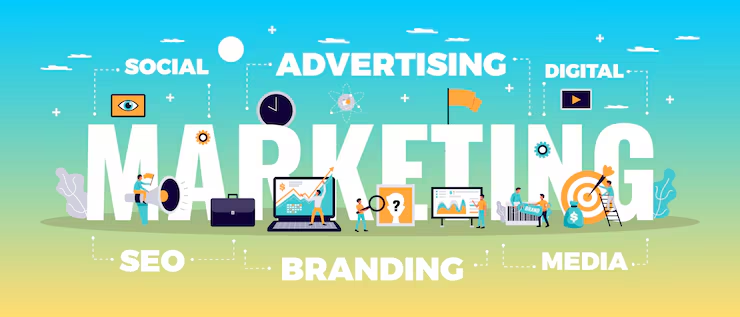
Digital marketing has become the lifeblood of contemporary business in a time when our mornings begin with notifications and end with a goodnight scroll. However, what precisely is it? Let’s say you recently introduced a distinctive, environmentally conscious coffee brand. How do you tell the world now? Advertisements? Perhaps. Flyers? traditional. However, what if we could target coffee enthusiasts at the precise moment that they search for “best organic coffee” on Google? That is an example of digital marketing. The promotion of goods, services, or brands using the internet and digital tools including search engines, websites, social media, email, and mobile apps is known as digital marketing. It’s more than simply advertising; it’s building connections with your internet audience. Think of it as a conversation, not a sales pitch. The Key Channels of Digital Marketing Let’s break it down like a playlist of powerful tools: 1. Search Engine Optimization (SEO): The practice of making your website’s content and structure more search engine friendly is known as SEO. By increasing your website’s visibility when users search for pertinent keywords, it increases organic traffic and helps you naturally draw in new clients. 2.Content Marketing: This entails producing informative or entertaining content for your audience, such as blogs, videos, or infographics. Good content establishes your brand as an expert in your sector, fosters engagement, and increases trust. 3. Social Media Marketing: Connecting with your audience on social media sites like Facebook, Instagram, LinkedIn, and Twitter is the core of social media marketing (X). Through postings, stories, and discussions, it allows you develop a devoted following, raise brand awareness, and interact directly with consumers. 4. Email Marketing: One of the most intimate ways to interact with your audience is still through email marketing. Direct delivery of newsletters, promotions, or tailored offers to inboxes fosters lead nurturing, increases client loyalty, and encourages repeat business. 5. Pay-Per-Click Advertising (PPC): PPC enables you to run sponsored advertisements on social media sites and search engines like Google. It’s a targeted and effective technique to acquire instant awareness and increase traffic to your website because you only pay when someone clicks on your advertisement. 6. Influencer Marketing: Influencer marketing uses well-known bloggers or social media figures to advertise your goods. Compared to traditional advertising, brands can expand their reach, establish credibility, and produce genuine engagement more quickly by reaching out to their valued audience. 🔍 Why Digital Marketing Matters Digital marketing is quantifiable, in contrast to traditional marketing. In real time, you can see how many people read your blog, clicked on your advertisement, or joined up for your newsletter. It is affordable, scalable, and—possibly most importantly—targeted. Instead of shouting into thin air, you speak softly to people who are interested. 🧠 It’s Not Just About Tools—It’s About Strategy What distinguishes an Instagram user from a digital marketer? Plan of action. Understanding consumer behaviour, data analytics, content trends, and platform algorithms is essential to digital marketing. It’s an ever-changing puzzle that rewards ingenuity, timing, and intelligence. 🚀 The Future is Digital From AI-driven ads to voice search optimization and virtual reality campaigns, digital marketing is only growing more powerful. Whether you’re a startup or a global enterprise, your online presence can make or break your success. 📌 Final Thoughts Digital marketing is now necessary rather than optional. It’s where businesses and the globe come together, and where creativity meets statistics. Digital marketing is your ticket on the worldwide stage, whether you’re operating a SaaS business or selling handcrafted jewellery. Therefore, keep in mind that it’s not just chance the next time you see a sponsored Instagram post or receive an email that prompts you to click “Buy Now.” Digital marketing is clever, strategic, and integrated into your everyday digital life.

Scroll to Top