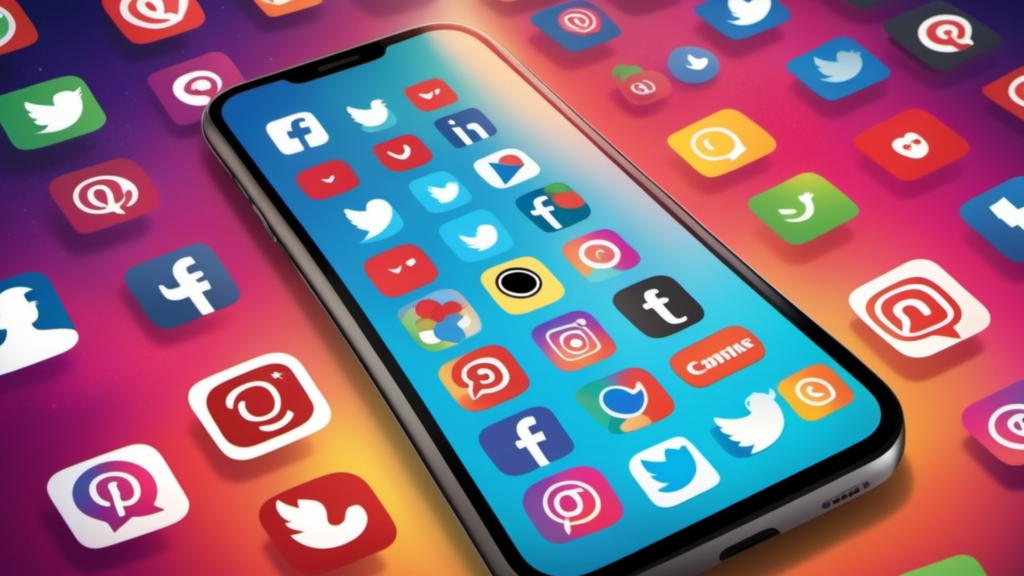
Social media marketing is now one of the most effective ways for companies to engage with their customers, raise brand awareness, and boost sales in today’s digital environment. Social media, which has billions of users on sites like Facebook, Instagram, LinkedIn, Twitter (X), and YouTube, provides unparalleled chances to directly connect with potential clients. An efficient social media marketing approach can greatly increase your internet presence, regardless of the size of your organisation.
Social Media Marketing: What Is It?
The practice of using social media platforms to advertise goods, services, or brands is known as social media marketing. In order to engage people and motivate them to take action, it entails producing and disseminating material, including postings, pictures, videos, stories, and ads. Building relationships with your audience while increasing traffic, leads, and conversions is the primary objective of social media marketing.
Social media enables two-way communication, in contrast to traditional marketing. By interacting with consumers through likes, shares, comments, and messages, brands can make marketing more engaging and personal.
Importance of Social Media Marketing
A key component of contemporary digital marketing tactics is social media marketing. Brand visibility is one of its main benefits. People are more likely to recognise and trust your brand when it is engaged on social media.
Cost-effectiveness is another significant advantage. Compared to traditional media like TV or print commercials, social media profile creation is free, and even paid advertising is less expensive. In order to get better outcomes, social media also enables businesses to access targeted audiences based on factors like age, location, hobbies, and behaviour.
Social media marketing also increases website visitors. Businesses may increase engagement and possible purchases by directing visitors to their websites through the sharing of valuable content and links.

Key Social Media Marketing Platforms
Distinct platforms have distinct functions, and your company’s objectives will determine which ones are best.
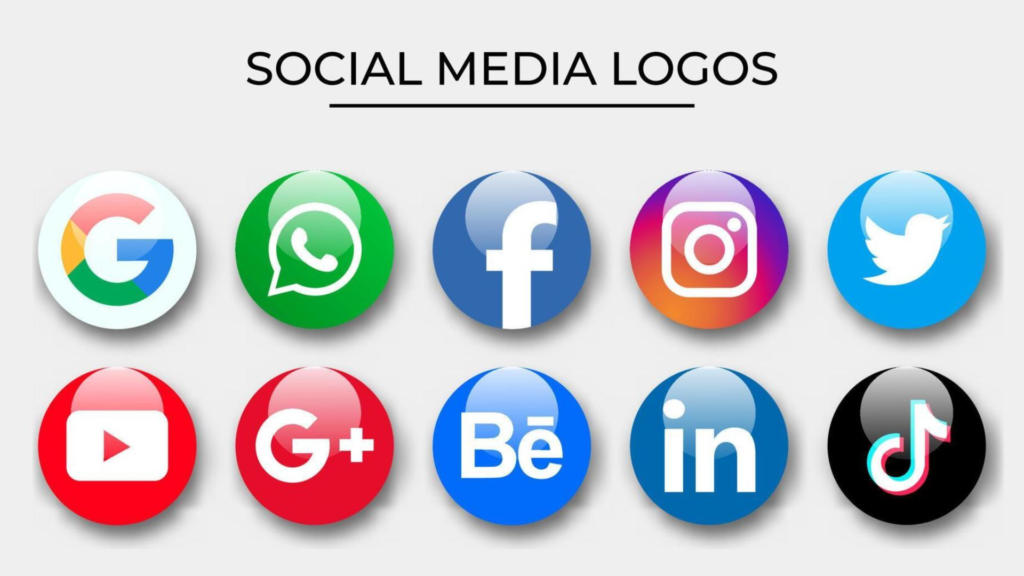
Facebook is perfect for sharing a variety of content types, creating communities, and running advertisements. Instagram is ideal for lifestyle and product-based brands because it emphasises visual material like as photos, clips, and stories. LinkedIn is the greatest platform for thought leadership, professional networking, and B2B marketing. YouTube is great for video marketing and lessons, but Twitter (X) is good for real-time updates, news, and brand conversations.
Strategies for Successful Social Media Marketing
Businesses need a well-defined strategy to be successful in social media marketing. High-quality, consistent material is crucial. Regular posting helps you stay visible and keeps your audience interested. Your content should be interesting, educational, and pertinent to your intended audience.
Another important component is engagement. Responding to reviews, mails, and comments fosters relationships with followers and increases trust. Reach and engagement can also be increased by utilising trends, hashtags, and partnerships.

Social Media Marketing’s Advantages for Companies
Social media marketing aids companies in generating leads, boosting client engagement, and fostering brand loyalty. It offers useful consumer insights, enabling firms to comprehend audience preferences and enhance their products. A strong social media presence can eventually build trust and authority in the field.
In conclusion
Social media marketing is now a must for companies looking to expand online. Social media may assist businesses in effectively achieving their objectives with the appropriate platforms, tactics, and persistent work. Businesses may use social media as a potent tool for long-term success by emphasising audience engagement, valuable content, and data-driven decision-making.